

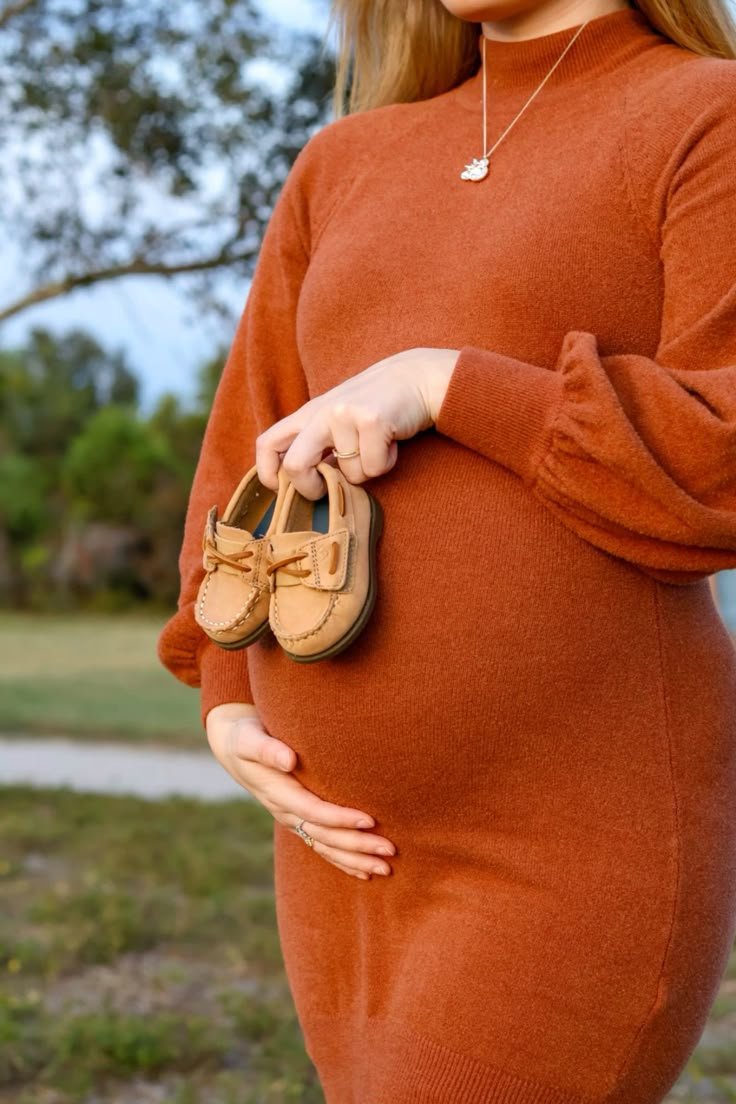
Finding out whether you’re having a boy or a girl is one of the most exciting parts of pregnancy. While many parents wait until the ultrasound, others are eager to guess early! In this blog, we’ll explore both scientific methods and popular myths about identifying your baby’s gender in early pregnancy.
🧬 1. Scientific Ways to Know Baby’s Gender
These are the only medically accurate and reliable methods to determine whether you’re having a boy or girl.
a. NIPT (Non-Invasive Prenatal Testing)
This is a simple blood test that can be done as early as 9–10 weeks of pregnancy.
It looks at small pieces of your baby’s DNA in your bloodstream.
While the test’s main purpose is to screen for genetic conditions, it can also accurately reveal the baby’s gender with 99% accuracy.
b. Ultrasound Scan
The most common way to know your baby’s gender is through an ultrasound, usually done between 18–22 weeks.
The technician looks for the baby’s physical features to determine whether it’s a boy or girl.
Sometimes, it’s possible to guess around 14–16 weeks, but results are not always certain that early.
c. CVS or Amniocentesis
These are genetic tests done for medical reasons and can also confirm the baby’s sex with 100% accuracy.
However, they are invasive and only performed when there’s a specific medical concern.
💬 2. Old Wives’ Tales and Natural Signs (Fun Guesses!)
Although these methods have no scientific proof, many expectant parents love to guess the gender based on traditional beliefs and early pregnancy symptoms.
Old Wives’ Tale Indicates Girl Indicates Boy
Morning sickness Severe nausea Mild or no nausea
Belly shape Round, wide bump Low, pointed bump
Cravings Sweet foods Salty or sour foods
Skin condition Dull skin, acne Glowing, clear skin
Baby’s heart rate Above 140 bpm Below 140 bpm
🩷 These signs are fun to guess, but remember — every pregnancy is unique, and these symptoms can happen for many other reasons!
🩺 3. When Can You Find Out the Gender?
Method When It’s Done Accuracy
NIPT Blood Test 9–10 weeks 99%
Ultrasound 18–22 weeks 90–95%
CVS / Amniocentesis 11–20 weeks 100%
Myths & Symptoms Anytime Just for fun!
💖 Final Thoughts
While early guessing is exciting, it’s important to remember that no home method or old wives’ tale can truly confirm your baby’s gender. If you’re eager to know early, NIPT testing is the most accurate and safe option. Otherwise, enjoy the surprise and wait for your ultrasound — either way, you’re growing a beautiful little life!